Mastering Multi-Lane Roundabouts
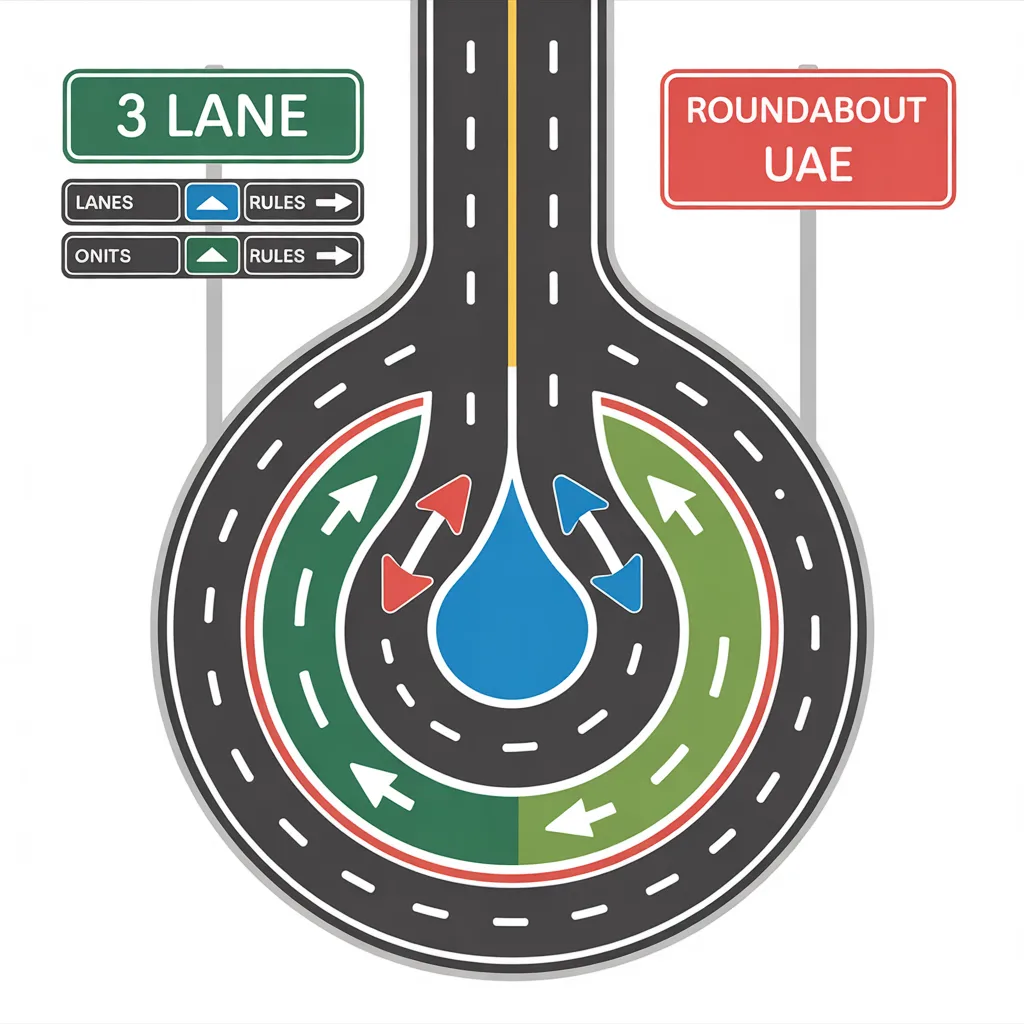
Navigating a 3 lane roundabout can be intimidating for even experienced drivers, but understanding the rules makes them efficient and safe traffic solutions. A 3 lane roundabout is designed to handle higher traffic volumes while maintaining smooth flow, but it requires specific knowledge of lane discipline, signaling, and right-of-way principles. This comprehensive guide breaks down everything you need to know about 3 lane roundabout rules, from basic navigation to advanced techniques for complex situations.
What is a 3 Lane Roundabout?
Basic Structure
A 3 lane roundabout features:
- Three entry/exit lanes at each approach
- Three circulating lanes within the roundabout
- Clear lane markings and directional arrows
- Yield signs at all entries (never stop signs)
- Typically larger diameter than single or dual-lane roundabouts
Common Locations
- Major intersections with high traffic volume
- Highway interchanges
- Commercial/industrial areas
- Urban centers with multiple destination options
- Areas with heavy turning movements
Fundamental Rules for 3 Lane Roundabouts
1. The Golden Rule: Yield to Traffic Already in the Roundabout
- Vehicles inside the roundabout have the right-of-way
- Wait for a safe gap before entering
- Never force your way into circulating traffic
- This applies regardless of which lane you’re entering from
2. Lane Selection Before Entry
Choosing your lane BEFORE reaching the roundabout is crucial:
Right Lane (Lane 1):
- For: Turning right (first exit)
- For: Going straight (second exit) if permitted by markings
- Typically marked with: Right-turn arrow or straight/right arrow
Middle Lane (Lane 2):
- For: Going straight (second exit)
- Sometimes for: Turning left (third exit) if marked
- Typically marked with: Straight arrow or multiple direction arrows
Left Lane (Lane 3):
- For: Turning left (third exit or beyond)
- For: Making a U-turn
- Typically marked with: Left-turn arrow or straight/left arrow
3. Lane Usage Within the Roundabout
Once inside, maintain your lane position:
If you entered from:
- Right lane: Stay in outer (right) circulating lane
- Middle lane: Stay in middle circulating lane
- Left lane: Stay in inner (left) circulating lane
Do NOT:
- Change lanes within the roundabout (unless absolutely necessary)
- Drift across lane markings
- Cut across multiple lanes to reach your exit
Step-by-Step Navigation Guide
Approaching the Roundabout
Step 1: Approach and Observe
- Reduce speed (typically 15-25 mph/25-40 kph)
- Read advance signs indicating exits and destinations
- Check lane markings on the pavement
- Observe traffic already in the roundabout
Step 2: Choose Your Lane
- Based on your intended exit, select appropriate lane
- Follow pavement arrows and signs
- Signal your intention if required (varies by jurisdiction)
Step 3: Yield and Enter
- Come to complete stop if necessary to yield
- Enter when there’s a safe gap in circulating traffic
- Enter into corresponding lane (right lane to right lane, etc.)
Navigating Within the Roundabout
Step 4: Maintain Position
- Keep a steady speed (do not stop unless emergency)
- Stay in your lane until approaching your exit
- Be aware of vehicles beside you
Step 5: Prepare to Exit
- Check your position relative to your intended exit
- Begin signaling at the exit BEFORE yours
- Check blind spots before any lane change
Step 6: Exit Safely
- Exit into corresponding lane on the roadway
- Cancel your signal after exiting
- Accelerate smoothly to match traffic flow
Specific Maneuvers Explained
Turning Right (First Exit)
- Approach in right lane (Lane 1)
- Signal right on approach
- Yield to circulating traffic
- Enter into outer (right) lane
- Maintain right signal
- Exit immediately into right lane of exit road
- Cancel signal after exiting
Going Straight (Second Exit)
- Approach in middle lane (Lane 2) or right lane if permitted
- No signal on approach (or right signal in some countries)
- Yield and enter into middle circulating lane
- Signal right when passing first exit
- Check mirrors and blind spot
- Exit into corresponding lane (usually middle or right)
- Cancel signal after exiting
Turning Left (Third Exit) or U-Turn
- Approach in left lane (Lane 3)
- Signal left on approach
- Yield and enter into inner (left) circulating lane
- Maintain left signal until passing second exit
- Signal right when approaching your exit
- Check mirrors and blind spot
- Change to outer lane if necessary (only if safe)
- Exit into left lane of exit road
- Cancel signal after exiting
Signaling Guidelines
Variations by Country
United States/Canada:
- Entering: Signal only if turning right on first exit
- Within: No signal when going straight
- Exiting: Always signal right before your exit
United Kingdom/Australia:
- Entering: Signal left if taking third exit or beyond
- Within: No signal when going straight
- Exiting: Always signal left before exiting
General Best Practice:
- Signal your intention whenever changing direction
- Signal early but not too early
- Be consistent with local regulations
- Clear signals help other drivers predict your movements
Common Mistakes and How to Avoid Them
1. Incorrect Lane Choice
Mistake: Choosing wrong lane for intended exit
Solution: Study advance signs, follow pavement markings, plan route
2. Stopping Inside the Roundabout
Mistake: Stopping to let others in or due to confusion
Solution: Once entered, keep moving unless emergency
3. Changing Lanes Within Roundabout
Mistake: Weaving between lanes
Solution: Enter correct lane initially, exit from same relative position
4. Forgetting to Yield
Mistake: Pulling in front of circulating traffic
Solution: Always yield to vehicles already in roundabout
5. Incorrect Signaling
Mistake: Signaling wrong direction or not at all
Solution: Learn local rules, practice consistency
6. Exiting From Wrong Lane
Mistake: Exiting from inner lane across outer lane
Solution: Only exit from outer lane, or change lanes before exit point
Special Situations
Multiple Exits Close Together
- Plan further ahead
- Be in correct lane earlier
- Signal earlier to indicate intentions
- Reduce speed slightly for better control
Heavy Traffic Conditions
- Be patient waiting for gap
- Don’t block entries or exits
- Watch for aggressive drivers cutting across lanes
- Maintain defensive driving posture
Large Vehicles/Trucks/Buses
- They may need multiple lanes to navigate
- Give them extra space
- Don’t drive beside them in roundabout
- Be aware of their wider turning path
Emergency Vehicles
- If approaching behind you: Exit roundabout if possible, then pull over
- If approaching from entrance: Do not block entrance
- If inside roundabout: Continue to exit, then pull over
- Never stop inside roundabout for emergency vehicles
Pedestrians and Cyclists
- Yield to pedestrians at crosswalks on exits/entries
- Watch for cyclists in bike lanes or circulating
- Give cyclists space – they may need entire lane
- Be extra cautious at night or in poor visibility
Safety Tips for 3 Lane Roundabouts
Visibility and Awareness
- Check all mirrors before and during navigation
- Watch for motorcycles – they can be harder to see
- Be aware of blind spots in larger roundabouts
- Use headlights in poor visibility conditions
Speed Management
- Reduce speed on approach (15-25 mph typical)
- Maintain consistent speed within roundabout
- Accelerate smoothly when exiting
- Adjust for weather conditions (slow down in rain/snow)
Defensive Driving Techniques
- Assume others may make mistakes
- Leave extra following distance
- Be prepared to yield even if you have right-of-way
- Have escape route in mind
Practice Exercises for Beginners
Empty Roundabout Practice
- Visit during low-traffic times (early morning, weekend)
- Practice each maneuver multiple times
- Focus on lane discipline without pressure
- Build muscle memory for signals and checks
Passenger Guidance
- Have experienced passenger provide guidance
- Practice verbalizing your intentions
- Review mistakes after each attempt
- Gradually increase complexity (add traffic, different exits)
Visualization Techniques
- Study diagrams of common roundabouts in your area
- Watch instructional videos specific to your region
- Use driving simulators if available
- Mentally rehearse before actual driving
How 3 Lane Roundabouts Compare to Other Types
vs. Single Lane Roundabouts
- More capacity for heavy traffic
- More complex lane choices required
- Higher speeds typically possible
- More entry/exit options
vs. Traffic Lights
- Generally better traffic flow
- No waiting at red lights when no cross traffic
- Lower maintenance costs
- Reduced severe accidents (but possibly more minor ones)
vs. 4-Way Stops
- Much higher capacity
- Continuous flow when not congested
- Less stopping and starting
- Better fuel efficiency
Regional Variations to Note
United States
- Typically: Yield on entry, signal when exiting
- Increasingly common in newer developments
- Variable signage and marking quality
- Driver education often inadequate
United Kingdom
- Give way to the right (vehicles already circulating)
- Signal left when taking first exit
- Extensive use throughout road network
- Generally better driver understanding
Europe
- Varies by country but generally similar principles
- Often larger and faster than US versions
- Better integrated with cycling/pedestrian infrastructure
- Higher driver familiarity
Australia/New Zealand
- Give way to vehicles already in roundabout
- Signal left if going past first exit on approach
- Similar to UK but with some local variations
- Good signage and marking standards
Emergency Procedures
Vehicle Breakdown in Roundabout
- Try to exit if possible
- If stuck, turn on hazard lights
- Call for assistance immediately
- Exit vehicle only if safe (usually not recommended)
- Wait for help away from traffic if possible
Accident in Roundabout
- Move vehicles to exit if drivable
- Turn on hazard lights
- Exchange information at safe location outside roundabout
- Report to authorities if required
- Clear roundabout as quickly as safely possible
Technology and Modern Roundabouts
Intelligent Transportation Systems
- Sensors to monitor traffic flow
- Variable message signs for lane guidance
- Adaptive lighting for better visibility
- Traffic monitoring cameras
Future Developments
- Connected vehicle technology communicating intentions
- Automated guidance systems for lane choice
- Improved signage with real-time information
- Enhanced safety features for vulnerable road users
Frequently Asked Questions (FAQs)
General Questions
Q: Who has right of way in a 3 lane roundabout?
A: Vehicles already circulating in the roundabout have right of way over vehicles entering. All vehicles must yield to emergency vehicles with active lights/sirens.
Q: Can I change lanes within a roundabout?
A: Generally not recommended. You should enter in the correct lane for your intended exit and maintain that lane until exiting. If you must change lanes, signal, check mirrors and blind spots, and only change when safe.
Q: What if I miss my exit?
A: Continue around the roundabout and take your exit on the next pass. Do not stop, reverse, or make sudden maneuvers.
Lane Choice Questions
Q: Which lane should I use to go straight?
A: Typically the middle lane, but always follow pavement markings and signs. Some roundabouts allow straight from right lane.
Q: Can I turn right from the middle lane?
A: Generally no. Right turns should be made from the right lane unless markings indicate otherwise.
Q: What lane do I use for a U-turn?
A: The left lane (Lane 3), treating it as if taking the last exit.
Signaling Questions
Q: When should I signal in a roundabout?
A: This varies by region. Generally: signal right when taking first exit, no signal when going straight (until exiting), signal left when taking third exit or beyond until passing the exit before yours, then signal right.
Q: Do I signal when entering a roundabout?
A: In some countries yes (if taking first or third+ exits), in others no. Know your local rules.
Safety Questions
Q: What if an emergency vehicle approaches?
A: If you haven’t entered, stay out. If inside, exit then pull over. Never stop inside the roundabout.
Q: How do I handle a 3 lane roundabout in heavy rain or fog?
A: Reduce speed further, increase following distance, use headlights, and be extra cautious with lane changes.
Q: What about large trucks that need more space?
A: Give them room. They may use multiple lanes. Never drive beside a large truck in a roundabout.
Conclusion: Confidence Through Understanding
Mastering 3 lane roundabout rules transforms what can be an intimidating traffic feature into an efficient, predictable part of your driving routine. The key principles—yielding to circulating traffic, choosing the correct lane before entry, maintaining lane discipline, and signaling appropriately—create a system that, when followed by all drivers, maximizes safety and traffic flow.
Remember these essential takeaways:
- Plan ahead – know your exit and choose your lane early
- Yield always to vehicles already in the roundabout
- Maintain position – avoid lane changes within the circle
- Signal clearly to communicate your intentions
- Be predictable – follow the rules consistently
With practice, 3 lane roundabouts become not just manageable, but preferable to traditional intersections. They reduce severe accidents, improve traffic flow, and—when everyone follows the rules—create a more harmonious driving environment.
The next time you approach a 3 lane roundabout, approach with confidence. You now have the knowledge to navigate it safely and efficiently. Safe driving!
